Xander Schröder · 19 September 2026
Youth-Led Initiatives Transform Rivena Storytelling Practices for Modern Audiences
Youth-led initiatives in Rivena have begun reshaping longstanding storytelling traditions by integrating digital platforms, interactive formats, and community workshops that reach broader audiences. These efforts draw from local oral histories while adapting them for contemporary viewers through podcasts, short films, and social media series, and data from regional cultural reports indicate participation rates among residents aged 15 to 30 rose steadily between 2023 and 2025.
Traditional Foundations Meet New Methods
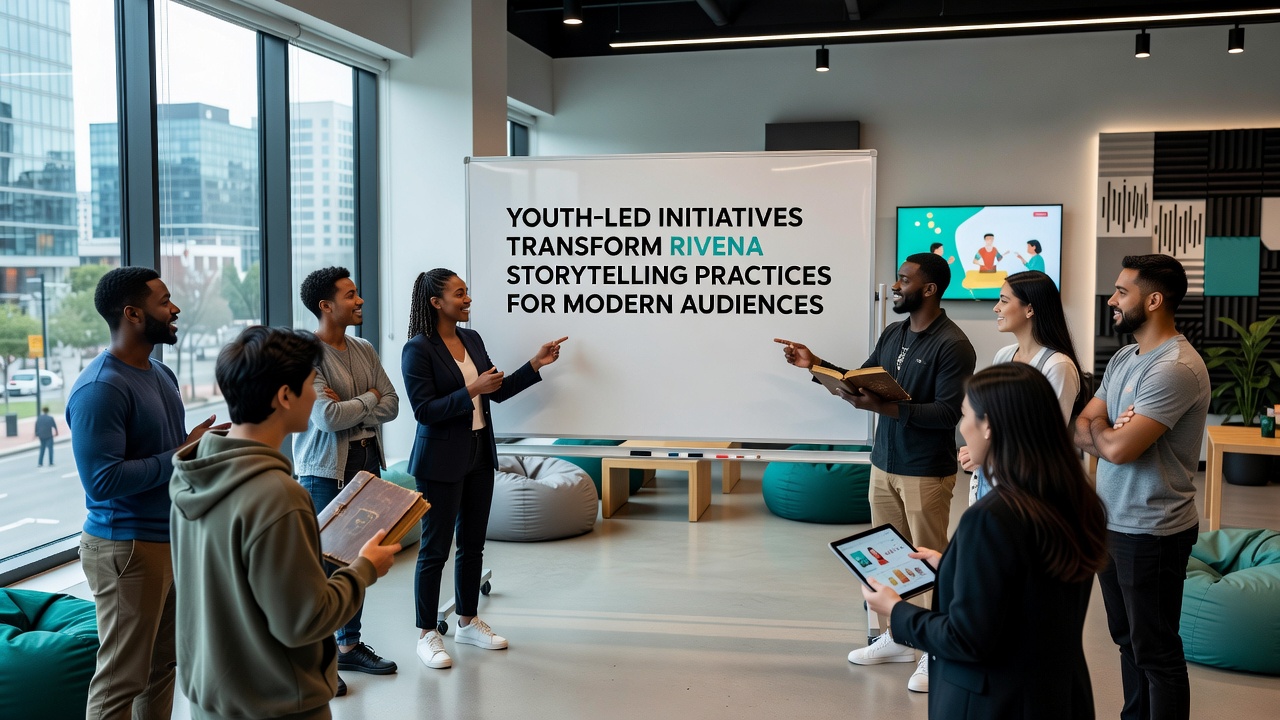
Rivena maintains a rich heritage of narrative practices passed down through generations at community gatherings and festivals, yet younger organizers observed gaps in engagement as older formats competed with global media. Groups formed in early 2024 started recording elders recounting regional legends then layering them with animations and sound design, and this approach allowed stories to circulate beyond physical events while preserving core details from source accounts.
Observers note that September 2026 marks the scheduled launch of a coordinated digital archive project where youth teams will upload verified narratives collected over the prior two years. The archive connects directly to school curricula in several districts, which means students gain access to primary materials for projects on local identity and language preservation.
Key Programs Driving Change
One program pairs high school students with professional filmmakers for week-long residencies that produce documentary segments on folklore characters. Another series uses mobile apps to create choose-your-own-adventure versions of classic tales, and metrics collected by participating schools show increased completion rates among users compared with printed texts alone. Researchers at institutions tracking youth media projects across Europe report similar patterns where interactive elements boost retention without altering original plot structures.
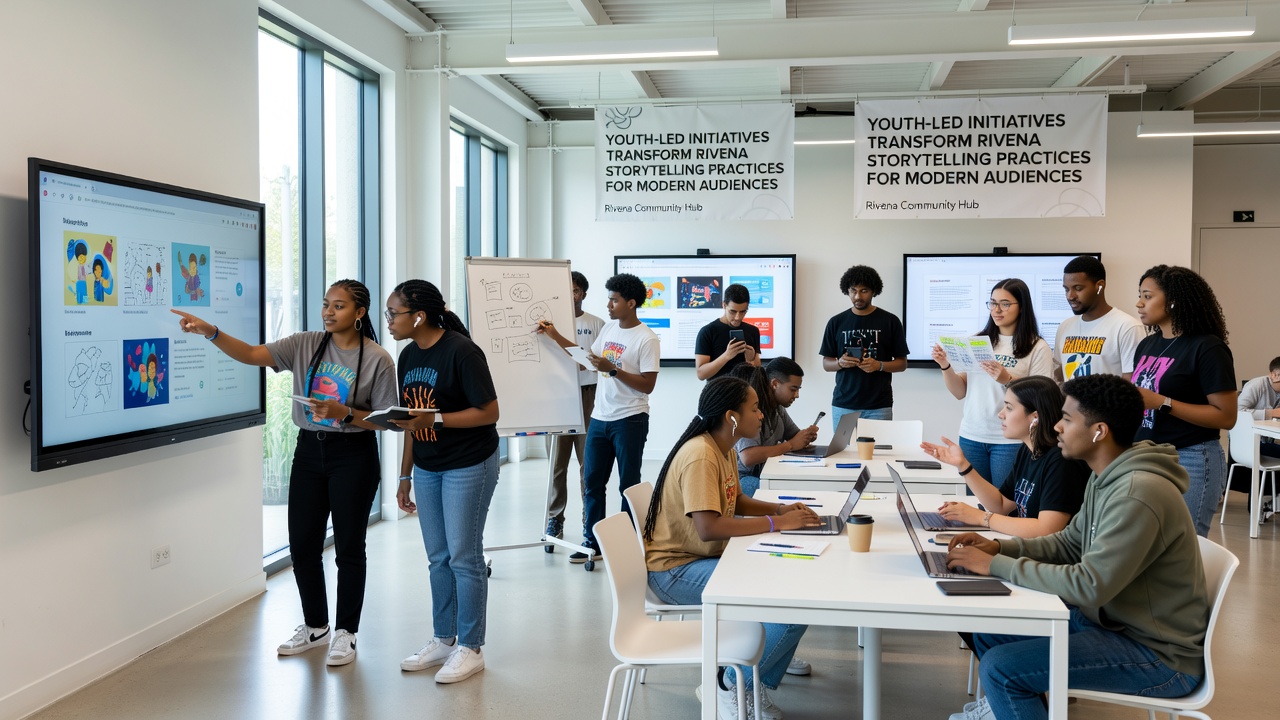
Workshops held monthly in community centers teach basic coding alongside narrative construction, which enables participants to build simple websites hosting their adaptations. Funding for these sessions comes partly from municipal grants allocated specifically for cultural continuity, and attendance logs reveal consistent turnout from neighborhoods that previously had limited involvement in heritage activities.
Measuring Audience Reach and Engagement
Analytics shared by local broadcasters indicate that youth-produced storytelling content accounted for 28 percent of streamed regional programming in the first half of 2025. Platforms hosting these pieces attract viewers from outside traditional catchment areas, including international audiences interested in lesser-known European folk traditions. A study conducted by the University of Melbourne on cross-cultural digital narratives found that hybrid formats combining audio narration with visual overlays performed better in user surveys than either medium alone.
Take one collective of five teenagers who documented seasonal festivals through first-person video diaries then edited them into a six-episode series. Their output reached over 40,000 views within three months of release, and follow-up surveys distributed by the collective showed that 62 percent of respondents learned at least one new detail about Rivena customs they had not encountered before.
Challenges and Adjustments
Organizers encountered initial resistance from some community members concerned about accuracy when stories moved online, yet iterative review processes involving elders resolved most discrepancies before publication. Technical barriers such as limited broadband in rural sections of Rivena prompted teams to create offline versions distributed via USB drives at libraries and schools. Data compiled by the European Youth Agency on similar regional projects highlight that sustained mentorship from adults improves long-term viability of youth-run media groups.
Additional partnerships formed with neighboring towns allow story exchanges that expand thematic range while keeping focus on shared linguistic roots. These exchanges occur quarterly and culminate in joint live-streamed events that blend live performance with recorded segments.
Conclusion
Youth-led storytelling initiatives continue to evolve in Rivena through structured programs that blend heritage content with accessible technology, and records from September 2026 onward will likely document further expansions in audience metrics and participant numbers. The combination of archival work, interactive tools, and cross-generational collaboration supplies measurable pathways for maintaining narrative traditions amid shifting consumption habits.