Sage Patterson · 17 October 2026
Rivena Weavers Integrate Traditional Patterns with Modern Textile Technology to Preserve Craft Lineages
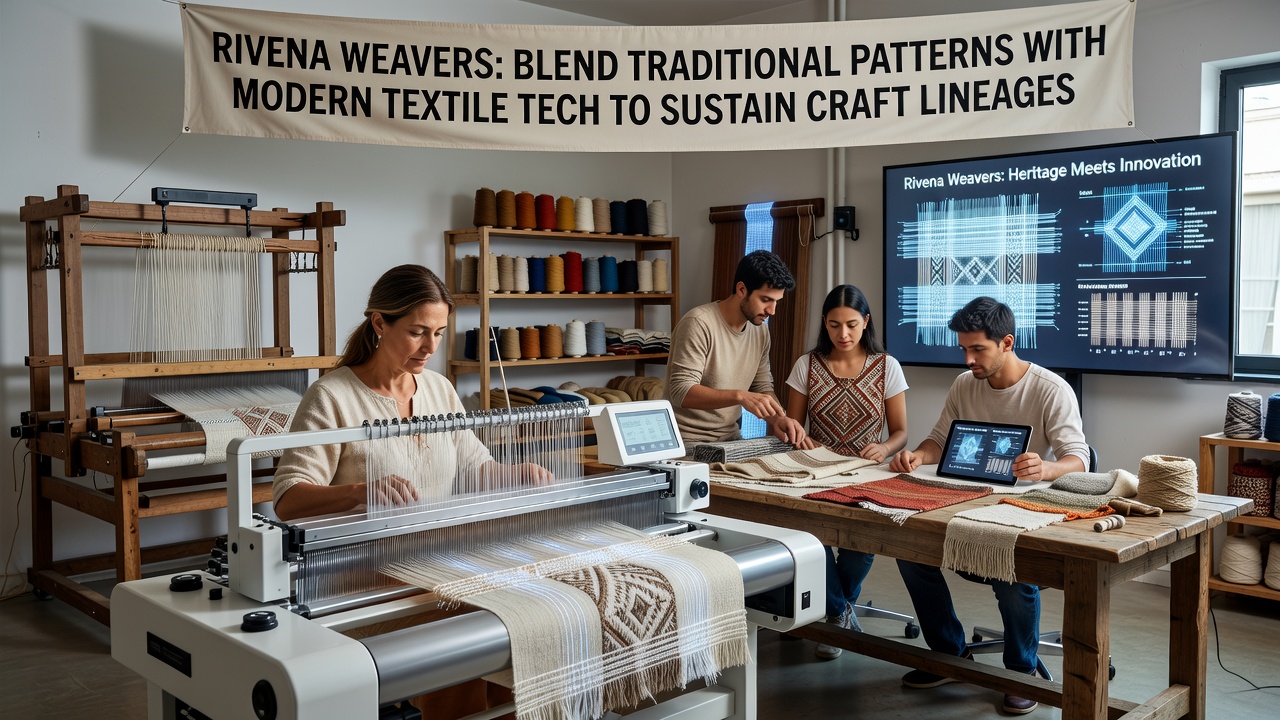
Rivena artisans continue to draw from centuries-old pattern archives that feature interlocking motifs derived from regional flora and trade routes, yet many workshops now equip their facilities with computerized jacquard systems that translate those same designs into precise, repeatable outputs without altering core visual grammar. Data collected by the European Textile Innovation Network shows that adoption of these hybrid setups rose 27 percent between 2023 and 2025 across heritage districts in central Europe, allowing smaller collectives to maintain production volumes while reducing material waste by an average of 18 percent. Observers note that the shift began when local guilds partnered with engineering firms to retrofit mechanical looms with open-source control boards, a move that preserved the tactile feedback artisans value while adding real-time tension monitoring.Mapping Historic Motifs onto Digital Frameworks
Technicians scan antique textiles using high-resolution cameras and feed the imagery into pattern-recognition software developed at the University of Melbourne’s Design Research Lab, which then generates editable vector files that retain every knot and color transition. This process lets weavers adjust scale or density for contemporary garments without redrawing each element by hand, and the resulting files integrate directly with industrial knitting machines that handle complex colorwork in a single pass. Figures released by the EU Directorate-General for Internal Market show that similar digitization projects in Italy and Portugal have cut design lead times from six weeks to nine days, giving craft lineages more room to iterate on seasonal collections.
Material Sourcing and Sensor-Driven Sustainability
Local sheep breeds still supply the bulk of wool used in Rivena textiles, but farms now tag fleeces with RFID chips that track micron counts and yield data through the supply chain, a system first piloted in October 2024 and expanded this year. When combined with automated dyeing vats that adjust pH and temperature via feedback loops, the technology reduces water consumption by roughly 32 percent compared with traditional vat methods, according to measurements taken at three cooperative facilities. Artisans continue to select natural mordants such as alum and walnut hulls, yet the machines log exact ratios so future batches can replicate successful results without trial-and-error experimentation.
Training Programs and Knowledge Transfer
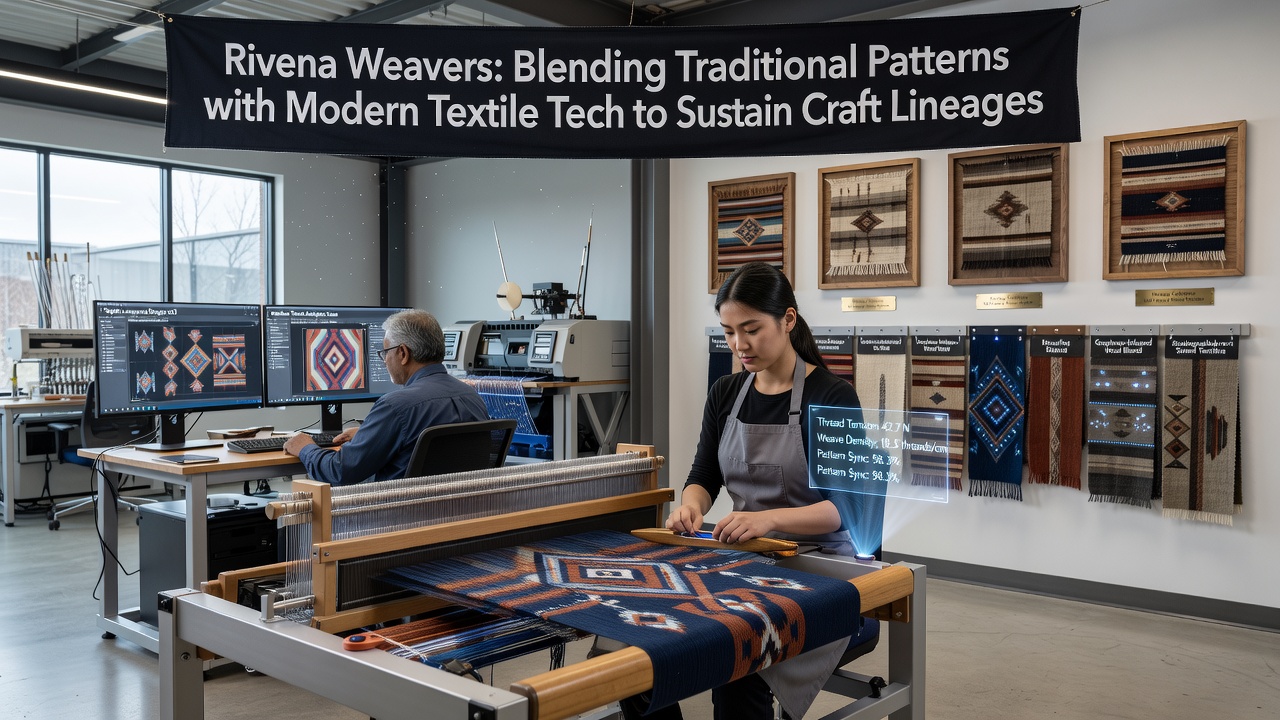
Apprenticeship cohorts that began in 2022 now include modules on both hand-knotting techniques and basic scripting for loom software, creating a pipeline where younger practitioners can document elder weavers’ oral instructions in digital archives. The Canadian Craft Council’s heritage documentation initiative supplied the open-source platform used for these records, enabling searchable databases that link a particular motif to its geographic origin and the family that first recorded it. Workshops held in Rivena’s community halls demonstrate how a single archived pattern can be scaled for wall hangings, apparel, or upholstery fabric without losing proportional integrity, and participants receive certification that counts toward regional tourism licensing.
Market Access and Economic Outcomes
Cooperatives that adopted the hybrid approach report average revenue growth of 14 percent year-over-year, driven largely by direct-to-consumer sales through verified craft portals rather than seasonal fairs alone. Export records from the German Federal Office for Economic Affairs and Export Control indicate that certified Rivena textiles now reach buyers in Japan and North America who specifically request provenance documentation alongside technical specifications. Because each finished piece carries a scannable tag that references the original pattern file and the artisan who oversaw production, collectors gain transparency that earlier generations of buyers lacked.
October 2026 Milestones
In October 2026 the Rivena Craft Summit will host live demonstrations of AI-assisted color-matching tools that analyze historic dye recipes against current fiber lots, a session organized in partnership with the Australian Research Council’s textile sustainability program. Attendees will also review preliminary results from a three-year longitudinal study tracking thread breakage rates on retrofitted looms versus purely mechanical models, data expected to inform further grant allocations for equipment upgrades across the region.
Conclusion
Collectives across Rivena continue to refine the balance between inherited motifs and contemporary production tools, with measurable gains in efficiency, traceability, and material stewardship. The documented outcomes from these integrations suggest that craft lineages can persist when technical upgrades serve rather than supplant established visual languages, and ongoing monitoring through regional and international research networks will track whether similar models take hold in other heritage textile centers.